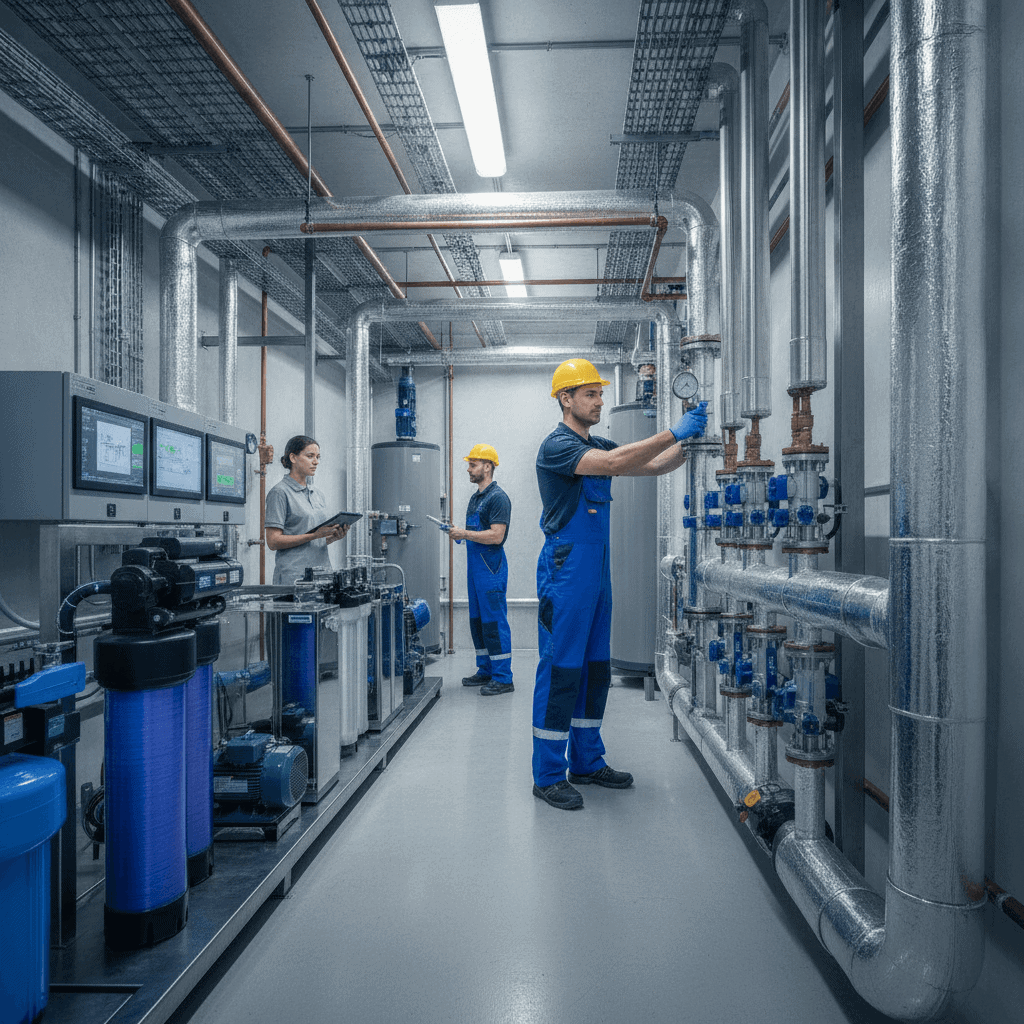
As a property manager or commercial building owner, I know that maintaining water systems in commercial real estate is more than just fixing leaks. It is about protecting your investment and ensuring the safety and comfort of everyone in the building. A well-maintained water system directly impacts operational efficiency and occupant satisfaction. Neglecting these systems can lead to costly repairs, unexpected downtime, and even health hazards. I have seen firsthand how much trouble a small leak can cause if it is not caught early.
Water systems in commercial properties are complex. They range from simple potable water lines to intricate HVAC cooling towers and fire suppression systems. Each component plays a vital role and requires specific attention. My experience tells me that a proactive approach is always the best strategy. We want to avoid problems before they start, not just react to them. This helps keep our buildings running smoothly and prevents bigger issues down the line.
Understanding the basics of these systems and how to keep them in top shape is crucial for any commercial property professional. I will explain why proper maintenance is so important and how you can implement effective strategies. It helps prolong the life of your plumbing infrastructure and also leads to better energy efficiency and lower utility bills.
Why Proactive Water System Maintenance Matters for Commercial Real Estate
Ignoring your commercial building’s water system can be a huge mistake. Many property managers only think about plumbing when something goes wrong. This reactive mindset often leads to bigger problems and much higher costs. I believe in being proactive. It saves money and keeps tenants happy.
A small drip can turn into a flood very quickly. A minor pipe corrosion issue could lead to a burst pipe that damages multiple floors. These emergencies disrupt business operations and can require extensive water damage remediation. Preventative maintenance, on the other hand, catches these issues early. We can fix them before they escalate into major disasters.
Regular inspections and maintenance checks extend the lifespan of your entire water infrastructure. This means you do not have to replace expensive pipes and equipment as often. It is about getting the most value out of your existing systems. It also reduces the need for emergency repairs. This gives you peace of mind and more predictable budgeting. We aim for stability and efficiency in all aspects of property management.
Protecting Your Investment and Reputation
For commercial real estate, a building’s condition directly affects its value and tenant appeal. A property known for water issues will struggle to attract and retain quality tenants. Water damage can also create structural problems and foster mold growth. These issues are expensive to fix and can hurt your reputation significantly.
Maintaining a clean and functional water system ensures a healthy environment. This is especially true for buildings with public access. Clean water is a basic expectation. Regular maintenance helps prevent bacterial growth, like Legionella, in cooling towers and other systems. This protects public health and limits your liability as a property owner. I always put health and safety first for our tenants.
Common Water System Issues in Commercial Buildings
Commercial water systems face unique challenges because of their size and complexity. The constant demand and diverse usage patterns put significant stress on pipes and equipment. I have seen many recurring problems over the years. Understanding these common issues is the first step toward effective prevention.
One frequent problem is pipe corrosion. Older buildings often have galvanized steel pipes that corrode over time. This leads to reduced water pressure, discolored water, and eventual leaks. Even copper pipes can corrode in certain conditions. We always check for signs of corrosion during our inspections. Early detection can prevent widespread pipe failures.
Another common issue is hard water buildup. Mineral deposits like calcium and magnesium accumulate in pipes, water heaters, and fixtures. This reduces efficiency and can cause blockages. Scale buildup in boilers and hot water tanks forces them to work harder. This increases energy consumption and shortens their lifespan. I know how important it is to address hard water proactively.
Preventing Leaks and Burst Pipes
Leaks are perhaps the most urgent and damaging water system problem. They can start small, like a dripping faucet or a pinhole leak in a pipe. Over time, these small leaks can cause significant damage to walls, ceilings, and flooring. They also waste a lot of water. Unseen leaks within walls or foundations are particularly dangerous. They can weaken structures and lead to mold without immediate detection.
Burst pipes are catastrophic events. Freezing temperatures can cause pipes to burst, but so can high water pressure or severe corrosion. The resulting water damage can halt business operations for days or weeks. The cleanup and repair costs are often astronomical. This is why consistent vigilance is essential. Keeping up with Bottom Line Property Management’s plumber repair advice can help rental property owners avoid some of the most common and costly plumbing emergencies. It reminds us that regular checks are vital for spotting potential problems early and addressing them before they become expensive headaches.
Essential Components of a Commercial Water System Maintenance Plan
Developing a strong maintenance plan for commercial water systems is a must-have. It means more than just reacting to emergencies. It is about having a structured approach. My team and I focus on regular checks and scheduled servicing. This strategy helps keep everything in top working order.
A good plan starts with a detailed inventory of all water system components. You need to know every pipe, valve, pump, water heater, and fixture. This helps us track their age, condition, and maintenance history. Without this information, it is hard to create an effective schedule. We want to be thorough and organized.
The plan should include a clear schedule for inspections, cleaning, and testing. This schedule needs to consider the specific needs of your building. Factors like building age, system type, and usage patterns all play a role. We adjust our plan based on these details. This makes sure our maintenance is effective and targeted.
Key Elements of a Robust Maintenance Schedule
- Regular Visual Inspections: Check for visible leaks, rust, or damp spots on pipes and around fixtures. We look for any signs of trouble.
- Pressure Testing: Monitor water pressure to identify potential blockages or leaks that affect flow. Maintaining proper pressure is key.
- Water Heater Servicing: Flush water heaters annually to remove sediment buildup and check anode rods. This extends their life and efficiency.
- Backflow Prevention Device Testing: Ensure these devices are working correctly to prevent contaminated water from entering the potable water supply. This is a critical safety measure.
- Drain Cleaning and Inspection: Prevent clogs by regularly cleaning drains and inspecting sewer lines with cameras if needed. We want smooth drainage at all times.
Training staff on basic leak detection and emergency shut-off procedures is also part of a good plan. Everyone in the building should know what to do if a major leak occurs. Quick action can significantly reduce damage. I make sure our building staff are well-informed and prepared for anything. This collective effort strengthens our overall maintenance program.
Routine Inspections and Preventative Measures
Regular inspections are the backbone of effective water system maintenance. They allow us to catch small issues before they become big, expensive problems. I always tell my team that consistency is key. A skipped inspection can mean a missed opportunity to prevent major damage.
Our inspection routine includes checking all visible pipes for signs of corrosion, drips, or discoloration. We also inspect water pressure gauges and look at all exposed valves. These visual checks do not take long but they provide valuable insights. It is like a health checkup for the building’s water system.
Beyond visual checks, we also perform functional tests. We test emergency shut-off valves to make sure they are not seized. We also check water flow rates at various points in the building. This helps us identify any hidden blockages or issues with pressure. It is about making sure everything works as it should.
Implementing Smart Preventative Strategies
Preventative measures go hand in hand with inspections. One important step is water treatment for hard water. Installing water softeners or filters can significantly reduce mineral buildup in pipes and appliances. This extends the life of your equipment and maintains water flow. I have seen how much difference proper water treatment makes.
Another strategy is insulating pipes, especially in areas prone to freezing. This simple step can prevent burst pipes during cold weather. We also make sure all outdoor spigots are properly drained and shut off before winter. These small actions prevent big problems. It is all about thinking ahead and planning for different conditions.
Regularly cleaning drain lines helps prevent clogs and backups. This can involve hydro-jetting or using specialized drain cleaning chemicals. Preventing clogs means preventing overflows and potential water damage. It also keeps foul odors at bay. I consider this an essential part of maintaining a clean and functional commercial space.
Addressing Leaks and Water Damage Quickly
Even with the best preventative measures, leaks can happen. How quickly you respond to a leak determines the extent of the damage. I always emphasize immediate action. Every minute counts when water is escaping. It can cause significant structural and aesthetic damage very quickly.
The first step when a leak is discovered is to locate the source and shut off the water supply. Knowing where your main shut-off valves are located and how to operate them is crucial. This is why staff training is so important. A quick shut-off can turn a major flood into a manageable spill. We make sure everyone knows this protocol.
After the water is stopped, the focus shifts to water extraction and drying. Using professional water damage restoration services is often the best choice. They have specialized equipment to remove water and thoroughly dry affected areas. This prevents mold growth and further damage. I never cut corners when it comes to water damage cleanup.
Repairing and Restoring Effectively
Once the area is dry, permanent repairs can begin. This might involve replacing sections of pipe, repairing fixtures, or addressing structural damage. It is important to find the root cause of the leak. We need to fix that problem to prevent it from happening again. A temporary patch is rarely a long-term solution.
Documentation is also critical during this process. Take photos of the damage, keep records of repairs, and note all costs. This information is valuable for insurance claims and for improving your maintenance plan. It helps us learn from every incident. I make sure we keep thorough records of everything. This allows us to track issues and better plan for the future.
The Role of Technology in Water System Management
Technology is changing how we manage commercial water systems. New tools and sensors offer incredible opportunities for better monitoring and faster problem detection. I am always looking for ways to use technology to improve efficiency and reduce risks in our properties.
Smart water meters and leak detection systems are becoming more common. These devices can monitor water usage in real time and detect unusual flow patterns that suggest a leak. Some systems can even send alerts directly to your phone. This allows for immediate response, even when no one is physically present. This level of oversight gives me a lot of confidence.
Building Management Systems also integrate water system data. This means we can control and monitor pumps, valves, and water heaters from a central location. We can schedule maintenance, adjust settings for efficiency, and track performance over time. This centralized control streamlines operations. It also provides a clear overview of the entire system’s health.
Leveraging Data for Predictive Maintenance
Data analytics is another powerful tool. By collecting data from sensors and past maintenance records, we can identify patterns and predict when components might fail. This moves us from scheduled maintenance to predictive maintenance. Instead of replacing a pump every five years, we replace it when the data tells us it is nearing the end of its reliable life. This saves money and reduces unexpected breakdowns.
Remote monitoring capabilities mean we can oversee multiple properties from one central office. This is especially useful for large portfolios of commercial real estate. It allows us to be more efficient with our resources and respond quickly to issues across different locations. I find these advancements incredibly helpful in managing complex properties. They help us stay ahead of potential problems.
Choosing the Right Professionals for Your Water System Needs
While an in-house team can handle many routine tasks, specialized water system issues often require expert help. Choosing the right contractors is just as important as having a solid maintenance plan. I rely on trusted professionals because their expertise saves us time and money in the long run.
When selecting a plumbing or HVAC contractor, I look for several key qualities. They need to be licensed and insured, of course. Experience with commercial systems is crucial because these are different from residential setups. They should also have a good reputation and positive references. Asking for examples of similar projects they have completed gives me confidence in their abilities.
Clear communication is also vital. The contractor should explain the problem clearly, detail the proposed solution, and provide transparent pricing. I appreciate contractors who offer preventative solutions, not just quick fixes. We want partners who are invested in the long-term health of our building’s systems.
Building Strong Vendor Relationships
I aim to build long-term relationships with our service providers. This means finding contractors who understand our specific properties and our business goals. A familiar contractor knows the history of our systems. They can often diagnose problems faster and recommend more targeted solutions. This consistency is a big advantage.
It is also smart to get multiple quotes for larger projects. This helps ensure fair pricing and allows us to compare different approaches to a problem. But price is not the only factor. I weigh expertise, reliability, and responsiveness equally. A cheaper service is not a bargain if they do a poor job or are unavailable in an emergency. We seek true value and lasting quality in our partnerships.
Long-Term Benefits of Effective Water System Maintenance
I cannot stress enough the importance of maintaining water systems in commercial real estate. It offers many benefits that go beyond just avoiding emergencies. Proactive maintenance truly impacts the overall success and profitability of a commercial property. It is an investment that always pays off in the long run.
First, it leads to significant cost savings. By preventing costly repairs, minimizing water waste from leaks, and improving the energy efficiency of water heating systems, you reduce operational expenses. These savings add up over time. They directly impact your bottom line. We constantly look for ways to optimize our spending without compromising quality.
Second, effective maintenance prolongs the lifespan of your assets. Well-cared-for pipes, pumps, and water heaters last longer. This delays the need for expensive replacements. It helps us manage our capital expenditures more effectively. We can plan for upgrades rather than reacting to sudden equipment failures.
Third, it creates a healthier and safer environment for tenants and visitors. Clean, reliable water systems prevent health risks associated with contaminated water. They also stop mold growth caused by leaks. A safe and comfortable building contributes to higher tenant satisfaction and retention. This also reduces your liability as a property owner. Happy tenants are usually long-term tenants.
Finally, a well-maintained water system enhances the property’s value. A building free from chronic water issues is more attractive to potential buyers or investors. It shows a commitment to quality and responsible property management. These efforts boost market appeal and command better returns. We see this as fundamental to our property management strategy.
Maintaining Water Systems In Commercial Real Estate: A Final Word
Maintaining water systems in commercial real estate requires careful attention, a proactive mindset, and a commitment to regular, scheduled care. I have found that a strategic approach saves money and enhances the value and reputation of your commercial property. It ensures the comfort and safety of everyone who uses the building. From routine inspections to embracing new technologies, every step in this process contributes to a more resilient and efficient operation. Do not wait for a small leak to become a massive flood. Instead, invest in regular maintenance and partner with skilled professionals. This will protect your assets and secure your investment for years to come. Start implementing a thorough maintenance plan today. It will make a real difference for your property and your peace of mind.